
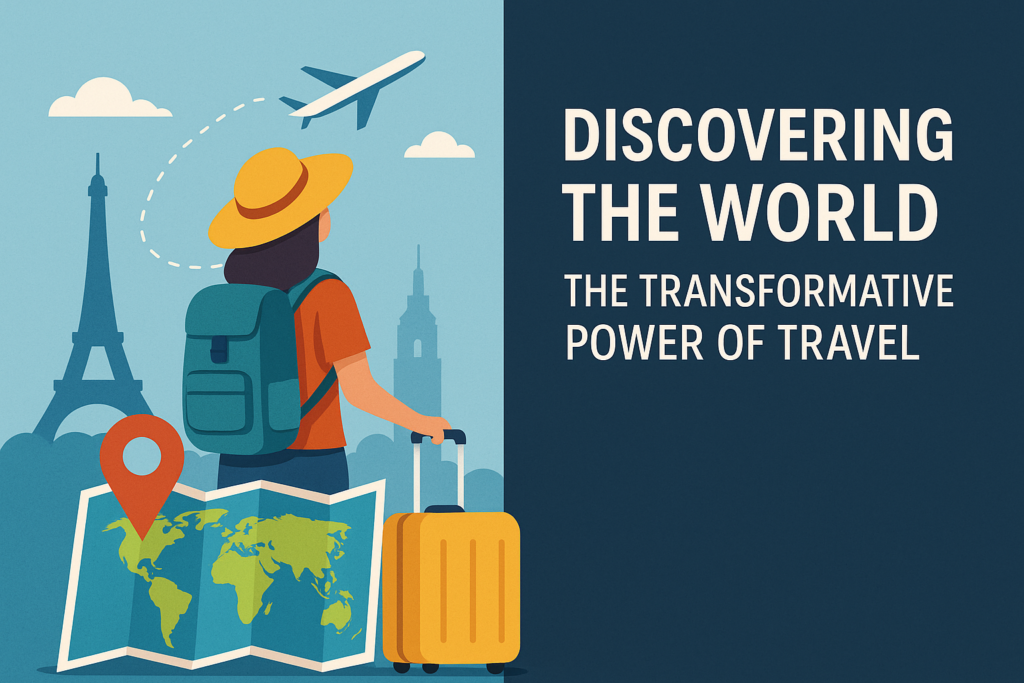
Certainly! Please provide the section or topic you would like the 300-400 word paragraph to be about.The plane wheels touch down with a gentle jolt, and the world outside your window unfolds into a tapestry of unfamiliar colors and sounds. You step out into crisp, foreign air, your senses awakening to the sharp aroma of street food, the unfamiliar cadence of another tongue, the sway of unfamiliar city lights in the distance. In that split second, standing at the edge of the jet bridge, your heart thrums with anticipation—a cocktail of nervousness and exhilaration only the unknown can evoke. The boundaries of routine—of work schedules, familiar landmarks, everyday greetings—begin to dissolve, and you are free, suspended between who you were at home and who you might become out here.
This intoxicating feeling isn’t unique. Across continents and centuries, there’s something deeply universal about our craving for adventure, for shedding the predictable in pursuit of the unexpected. Stories are written, songs are sung, and endless dreams are spun on the thrill of stepping into the unfamiliar. What is it about the faraway, the novel, the undiscovered that beckons to us? Perhaps it’s the simple desire for escape, the chance to leave behind worries, obligations, and the repetition of the everyday. Or maybe it’s something more intrinsic—a restlessness rooted in our very DNA, a trait inherited from distant ancestors whose survival required moving beyond their comfort zones.
In chasing new horizons, we are not merely searching for new places. We’re also searching for fresh perspectives and uncharted corners of ourselves. Each border crossed, each plunge into the unknown, is a gentle rebuke to complacency—a reminder that the world is vast, layered, and infinitely complex, and that our stories within it are still being written. That first step off the airplane isn’t just an arrival. It’s a quiet act of hope that, somewhere beyond the boundaries of the familiar, we might discover something astonishing—not just in the world, but within our very own selves.Certainly! Please provide the section or specific content you would like me to rewrite into a full paragraph of 300-400 words.Travel today means far more than simply taking a break from daily routines or snapping photos at famous landmarks. In our interconnected world, travel embraces a much deeper significance—it has become a pathway to cultural exchange, personal transformation, and a conduit for building global empathy. When we step into unfamiliar environments, we are challenged to view life through new perspectives, expanding our understanding of communities different from our own. These journeys kindle curiosity, foster adaptability, and promote respect for the intricate tapestry of cultures that shape the world.
Historically, travel has always adapted to the social and technological shifts of its time. Centuries ago, the Grand Tour served as a rite of passage for Europe’s elite, exposing them to art, history, and philosophy. Fast forward to today, and we see the rise of the digital nomad—a new breed of traveler who blurs the line between work and wanderlust thanks to remote connectivity. This evolution reflects not just changes in how we move, but also in why we travel. The motivations now range well beyond leisure. People seek meaningful experiences, opportunities for self-discovery, and genuine connections with people across continents.
Current trends in travel underscore this changing landscape. Solo travel has gained remarkable popularity, empowering individuals to navigate the world on their own terms and foster self-reliance. Sustainability has also climbed to the forefront, as more travelers are conscious of their impact on local environments and cultures, seeking responsible tourism options that honor and preserve natural and cultural heritage. Moreover, immersive experiences—learning to cook regional cuisine, participating in local festivals, or volunteering—are increasingly favored over surface-level sightseeing. Ultimately, travel in today’s world is less about escapism and more about engagement, reflection, and forging bonds that transcend borders.Certainly! Please provide the section or main ideas you would like me to rewrite or expand into a 300-400 word paragraph.Travel offers a unique opportunity to break free from the routines and patterns that often define our everyday existence. When you find yourself in unfamiliar settings, surrounded by people who speak different languages, eat different foods, and follow customs unlike your own, you are gently—and sometimes not so gently—pushed outside your comfort zone. This gentle discomfort is the spark for genuine personal growth. Facing moments of uncertainty, such as navigating a foreign subway system or ordering a meal in a language you barely speak, encourages you to rely on your intuition and resourcefulness. These challenges, while intimidating at first, often lead to a deeper understanding of both yourself and the world around you.
Stories abound of travelers who arrived in a new country with anxieties only to discover new strengths in the process. It may be the solo adventurer who overcame a deep-seated fear of heights by summiting a famous peak, or the hesitant eater who tried a local delicacy and developed a new passion for global cuisine. There are those who, through conversations with strangers or witnessing life lived at a different pace, come to recognize passions they never knew existed—maybe for painting, teaching, or environmental activism. These experiences become more than just stories to share; they evolve into pivotal moments of transformation, serving as touchstones for future confidence.
Beyond immediate lessons, travel is a rigorous exercise in building resilience and adaptability. Plans will inevitably shift—trains are delayed, weather turns, or unexpected detours appear. Travelers learn to see disruption not as an obstacle but as an invitation to adapt and grow. Each unexpected twist is a chance to practice patience, problem-solving, and creativity in real time. Moreover, as you encounter people whose daily lives are vastly different, you begin to cultivate a deeper empathy. You learn to appreciate not just the diversity of the human experience but also the universal threads that connect us all—laughter, kindness, struggle, and hope. In stepping outside the familiar, you come home transformed, with new perspectives, a richer sense of self, and a heart more open to the world.Travel stands as one of the most effective means for cultural exchange and expanding personal perspectives. When individuals immerse themselves in new cultures, they gain exposure to unfamiliar foods, languages, and customs, each offering unique insights into the daily lives and values of others. Sitting at a bustling market in Morocco, sampling exotic spices and traditional dishes, or attempting to communicate in Japanese at a local izakaya, a traveler quickly learns that food and language are more than just necessities or skills—they are expressions of heritage and identity. These experiences help to break down preconceived notions and allow for a deeper appreciation of traditions that may differ from one’s own.
Beyond these surface-level encounters, travel fosters meaningful human connections. In the company of new friends, local guides, or welcoming hosts, travelers are invited to share stories, laughter, and sometimes even hardships. These bonds, though sometimes temporary, create lasting impressions and meaningful memories. The warmth of a host family in Italy, or the camaraderie shared with fellow backpackers in a crowded hostel, reveals the power of community and communication that transcends cultural barriers. Through these interactions, travelers discover that, while customs and languages may vary greatly, the basic human desires for understanding, respect, and connection are universally shared.
Furthermore, firsthand experiences abroad help to dismantle stereotypes and reshape worldviews. Media and hearsay often perpetuate misconceptions about foreign societies, fostering feelings of unfamiliarity or apprehension. However, authentic engagement with people from different backgrounds humanizes distant cultures and reveals the complexity and diversity that exist within them. Witnessing kindness in unexpected places or finding common ground with someone who, on the surface, seems very different, encourages openness and tolerance. As travelers return home, they often carry with them a broader perspective, recognizing the richness and interdependence of the global community. Ultimately, travel’s ability to facilitate cultural exchange not only enriches the individual but also contributes to greater understanding and empathy on a global scale.Successful travel begins long before you board a plane or step onto a train platform. The art of planning is essential: it starts with thorough research into your destination—understanding not just the top attractions, but also the culture, customs, and even the seasonality that might impact your experience. Budgeting is equally crucial; savvy travelers know to allocate funds not only for flights and accommodation but also for activities, meals, local transport, and an emergency reserve. However, no matter how meticulous your planning, flexibility remains your greatest asset. Schedules can change, weather may be unpredictable, and sometimes, spontaneous opportunities bring the most memorable moments.
On the road, challenges inevitably arise. Language barriers can make even simple transactions seem daunting, but a willingness to learn a few basic phrases or rely on translation apps can go a long way. Cultural misunderstandings are almost a rite of passage for travelers—customs, gestures, or etiquette that seem natural at home might be puzzling or even offensive elsewhere. Approaching such challenges with curiosity, humility, and an open mind allows you to learn from these experiences and foster greater cross-cultural understanding. Logistical mishaps, whether it’s a missed train, lost luggage, or a confusing transit system, are all part of the journey. Remaining calm, patient, and resourceful will help you adapt and often reveal unexpected adventures or human kindness along the way.
As global travelers, it’s important to consider the impact we have on the places we visit. Responsible and sustainable travel isn’t just a trend; it’s a necessity. Choose accommodations that prioritize environmental sustainability, support local economies by dining at small eateries or purchasing handmade goods, and always respect local traditions and the natural environment. Simple actions—minimizing single-use plastics, conserving water and energy, and leaving sites cleaner than you found them—can collectively make a significant difference. By embracing these best practices, you not only protect the destinations you love but also enrich your own travel experience, creating lasting memories grounded in respect and responsibility.In recent years, technology has fundamentally transformed the landscape of travel, making it more accessible, efficient, and interconnected than ever before. The inspiration to embark on new adventures is often sparked online, where a single captivating blog post, a beautifully edited vlog, or an Instagram photo can ignite the wanderlust of millions. Travelers today crowdsource their dream itineraries from an ever-expanding array of digital storytellers who document routes, hidden gems, and local experiences. Social media platforms act as virtual postcards, creating a global sense of possibility and fueling curiosity about cultures near and far.
Beyond inspiration, the very mechanics of traveling have become far more streamlined thanks to a variety of apps and digital tools. Booking flights, securing accommodations, and reserving last-minute tickets can be done with just a few taps on a smartphone. Navigation apps effortlessly guide travelers through unfamiliar streets, while language translation tools break down communication barriers on the go. These technologies allow even solo or novice travelers to journey confidently, accessing essential information and support at every stage of their trip. Trip planners, digital payment systems, and location-based recommendations further simplify logistics, allowing explorers to maximize their time and experiences.
However, this digital convenience comes with its own set of complexities. The ease of sharing travel experiences online can diminish a destination’s authenticity and accelerate overtourism, as once-remote locales suddenly find themselves flooded with eager visitors seeking to replicate viral moments. Simultaneously, there is a growing tension between staying digitally connected and being truly present in the moment. With the urge to check notifications, capture the perfect shot, or livestream experiences, travelers may find themselves less engaged with their surroundings, missing out on genuine connections with people and places. Technology thus acts as a double-edged sword: it enriches the way we explore the world, while also challenging us to balance convenience with mindfulness and authenticity. As we move further into the digital age, the key to fulfilling travel may well lie in leveraging technology thoughtfully—using it to enhance, rather than overshadow, the richness of real-world journeys.Travel is often more than just ticking destinations off a list; it’s about the moments that linger long after the journey ends. Many travelers can recall an instance of unexpected kindness that transformed an ordinary trip into something unforgettable. One famous example comes from novelist Paul Theroux, who recounted how a stranger’s generosity in a small African village shifted his perspective on human connection. Similarly, countless travelers tell stories of being invited to a family meal in a foreign country, receiving help from locals when lost, or stumbling upon small festivals that weren’t on any guidebook, each memory shaping the narrative of their travels. These anecdotes aren’t just heartwarming—they illustrate how venture beyond our comfort zones can forge profound, lasting memories.
Such cherished experiences often become pivotal, altering the course of one’s life or worldview. A volunteer trip to a rural community might inspire a lifelong commitment to service. A chance conversation on a cross-country train ride might open the door to future opportunities or even lifelong friendships. Even the challenges—missed trains, language barriers, or unexpected detours—are transformed, in hindsight, into stories of growth and resilience. Over time, these cumulative experiences don’t just fill photo albums; they shape the decisions we make, our openness to new cultures, and how we relate to others. People often return home with a new appreciation for diversity, a better understanding of themselves, and a more compassionate approach to the world.
Focusing solely on famous landmarks or racing through a checklist of attractions can be tempting, especially with the pressure to “see it all.” Yet, it’s often the unplanned moments and the meaningful interactions that become the most treasured souvenirs. The true essence of travel lies in embracing curiosity, vulnerability, and a willingness to connect. By seeking out moments of authenticity—trying a home-cooked meal, learning a local custom, or simply pausing to observe daily life—travelers can cultivate memories that enrich their lives long after the journey ends. In the end, the most rewarding experiences aren’t measured by the number of places visited but by the depth of the connections made and lessons learned along the way.Certainly! Please provide the section or the content you would like me to rewrite or expand into a 300-400 word paragraph.In today’s rapidly changing and often unpredictable world, the significance of travel has never been greater. Beyond its reputation for providing adventure and relaxation, travel offers profound emotional and practical benefits that enrich our lives in extraordinary ways. Setting out into unfamiliar places challenges us to step outside our comfort zones, awakening our senses and igniting a sense of wonder that can often be dulled by daily routines. Whether it’s marveling at the ancient ruins of a faraway land or simply wandering through a neighboring town, every journey offers new stories, new friendships, and invaluable opportunities for personal growth.
On a practical level, travel exposes us to diverse cultures, languages, and ways of thinking, encouraging adaptability and resilience. The practical lessons gained—navigating cities, managing travel plans, tasting new foods, or communicating across language barriers—are skills that serve us long after returning home. Moreover, the joy of shared experiences with family, friends, or even strangers enriches our connections, fostering empathy and understanding not only for those we meet but for people everywhere.
Perhaps most importantly, travel remains a powerful vehicle for fostering global understanding and peace. When we traverse borders, we break down the barriers of ignorance and prejudice. We begin to see past superficial differences and recognize our common humanity. By engaging with different perspectives, customs, and histories, we develop greater compassion and appreciation for the world’s rich tapestry. In times marked by division and uncertainty, these connections are crucial; travel can serve as a gentle but powerful reminder that we are all members of a global community.
Now, more than ever, it is time to embrace the transformative power of travel—whether venturing a thousand miles away or simply exploring the wonders close to home. Consider your next journey with open eyes and an open heart. Allow yourself to be inspired, surprised, and moved. In doing so, you’re not only collecting memories, but also contributing to a more connected, open, and peaceful world. So, pack a bag, follow your curiosity, and let the world change you, as you change it in return.