
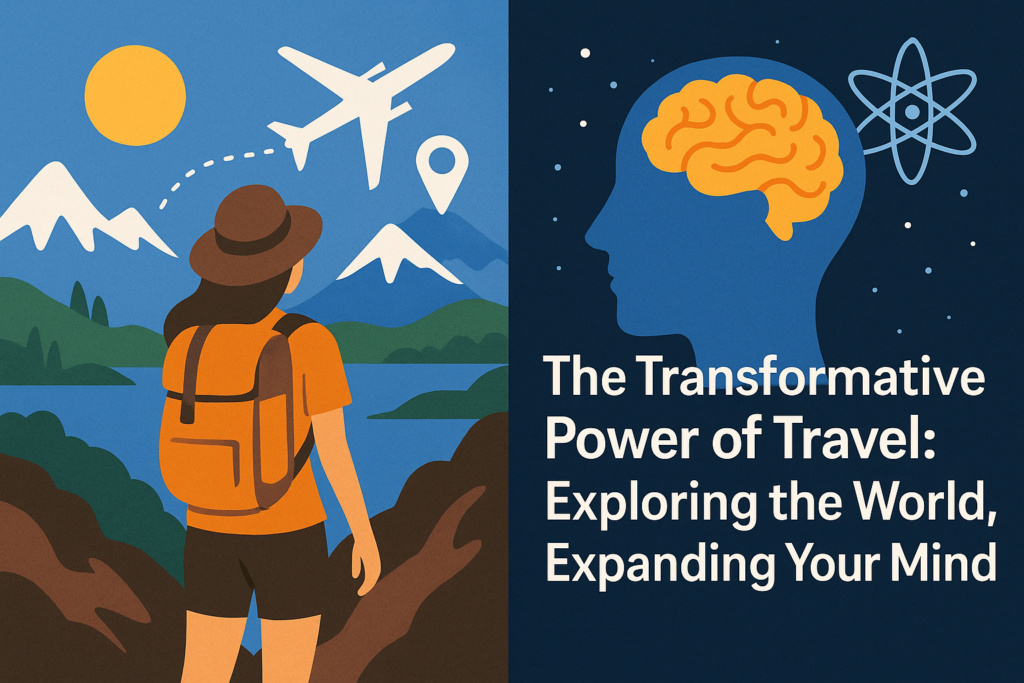
Absolutely, please provide the section or content you would like me to expand into a 300-400 word paragraph.In 2018, a study revealed that over 70% of people report feeling more creative after returning from a trip abroad. There’s something transformative about stepping onto new soil that lingers long after your suitcase is unpacked. Picture yourself wandering through a bustling night market in Bangkok, the aroma of sizzling lemongrass and chili swirling in the air as neon lanterns flicker overhead. With every step, you sample flavors you’ve never known, hear the cadence of a language so different from your own, and feel your senses awake to a symphony of sights and sounds. Maybe you’re perched on a windswept cliff in Ireland, tasting salt on your lips and marveling at emerald hills rolling into mist.
Travel, in these moments, becomes more than a change of scenery. It’s an opening—an invitation to see the world, and yourself, from fresh angles. Have you ever noticed how quickly unfamiliar surroundings spark curiosity? How easy it is to shed routine and meet each moment as something new? Beyond the Instagram posts and guidebook highlights, travel is an opportunity to rewrite your own story for a while. Every conversation with a local, every taste of street food, every sunset in a foreign land imprints something unexpected on your memory.
Now, ask yourself—what if your next journey could do more than just offer a break from daily life? What if, by immersing yourself in different cultures and traditions, your sense of wonder could be rekindled? Imagine seeing problems back home with a renewed perspective, connecting with people from backgrounds unlike your own, or discovering a passion you never knew you had. Could your next adventure go beyond the ordinary, fundamentally changing the way you see the world—and your place in it? The magic of travel isn’t only found in the places you visit, but in the way each journey invites you to challenge your assumptions and return home transformed. Where will you go, and how will it change you?Certainly! Please provide the section or the main ideas you’d like me to turn into a full paragraph of 300-400 words. Once you share the content or topic, I’ll be able to craft a detailed and engaging paragraph for you.From the earliest days of humanity, the urge to wander has been woven into our collective story. Driven by curiosity, a need for connection, and the quest for something just beyond the horizon, people have always set out—across oceans, through forests, and over mountains—with hearts full of anticipation. This innate desire for exploration is more than just a longing for new places; it reflects our hunger for discovery, both of the world and ourselves. Every journey, whether it’s a weekend getaway or a months-long trek, beckons us to step outside our comfort zones, inviting transformation in ways that staying still simply cannot offer.
Travel, at its core, is a profound teacher. Immersing ourselves in unfamiliar cultures, tasting new foods, or navigating bustling city streets challenges our assumptions and widens our perspectives. It’s in these moments—grappling with a foreign language or forging unexpected friendships—that we begin to appreciate the vast tapestry of human experience. The memories we make, the lessons we learn, and the perspectives we gain all contribute to personal growth, igniting creativity, empathy, and a deeper sense of who we are in the context of a much larger world.
After years of restrictions and uncertainty, the world has seen a remarkable resurgence of travel in the wake of the pandemic. For many, this new era of travel carries greater significance. There’s a renewed excitement in rediscovering the simple joys of movement—whether it’s the exhilaration of boarding a plane, hiking an unknown trail, or reconnecting with distant loved ones. Today’s travelers venture forth with a sense of gratitude and mindfulness, seeking deeper and more meaningful experiences than ever before.
In this article, we will delve into the many ways that travel can enrich your life, exploring its transformative benefits alongside the inevitable challenges it presents. We’ll offer practical tips to navigate these challenges with confidence and share inspiring stories from travelers who have embraced the journey, finding purpose and perspective along the way. Whether you’re dreaming of your next adventure or already planning your escape, let’s explore together why the allure of travel endures—and how you can make the most of every voyage.Certainly! Please provide the section or content you want rewritten or expanded into a full paragraph. Once you share that, I’ll be happy to craft a 300–400 word paragraph for you.Travel holds the remarkable power to profoundly influence individuals, shaping not just their perceptions of the world but also their understanding of themselves. Stepping into new environments and encountering different cultures challenges preconceived notions and broadens perspectives, replacing stereotypes with empathy and curiosity. The simple act of navigating unfamiliar streets, sampling diverse cuisines, or attempting to communicate in a foreign language forces travelers to adapt quickly, fostering resilience and resourcefulness that endure long after the journey ends. Often, it is in these moments of discomfort and uncertainty that personal growth is most pronounced; travelers learn patience, develop humility, and cultivate a deeper appreciation for their own backgrounds.
Experiencing the vibrancy of local traditions, whether it’s witnessing an ancient festival in Asia or partaking in a communal meal in Africa, invites a sense of connection and interconnectedness. These immersive moments highlight the universal aspects of human existence—laughter, sorrow, hospitality, and hope—reminding travelers of the shared threads that weave together the global tapestry. Moreover, as individuals step outside their comfort zones, they nurture a sense of curiosity and wonder, seeing the world with fresh eyes and rekindling a childlike fascination often dulled by routine.
Travel’s influence also extends to the creative and intellectual domains. Exposure to novel sights and ideas often sparks inspiration, fueling artistic endeavors or innovative thinking. Many writers, artists, and thinkers attribute their breakthroughs to a journey undertaken, a landscape explored, or a conversation held across language barriers. As the traveler returns home, they bring with them not only souvenirs, but also a transformed outlook—one that questions, seeks understanding, and values diversity. In a world often divided by differences, the influence of travel serves as a quiet yet powerful force for compassion, tolerance, and unity. Ultimately, the depths of travel’s influence reach far beyond maps and photographs, leaving an indelible mark on the heart and mind, shaping a richer, more empathetic approach to life itself.Travel holds the remarkable power to transform individuals on a deeply personal level, offering mental, emotional, and even physical growth that extends well beyond the experiences themselves. Stepping into new cultures challenges preconceived notions and encourages self-discovery, providing valuable insights into one’s own beliefs and behaviors. As travelers navigate unfamiliar environments, they often find themselves outside their comfort zones, prompting adaptability, resourcefulness, and resilience. These encounters become catalysts for personal development, teaching resourcefulness in problem-solving and fostering greater self-awareness as one navigates various social landscapes and customs.
Beyond internal growth, travel cultivates empathy and a nuanced understanding of people from different backgrounds. Direct exposure to diverse cultures, languages, and traditions broadens perspectives, shattering stereotypes and fostering an appreciation for the complexities of global society. By interacting with local communities and observing everyday life, travelers develop a rich sense of connection with others, regardless of cultural or geographic distance. These experiences can break down barriers, inspire open-mindedness, and nurture genuine compassion, ultimately leading to meaningful connections and more inclusive worldviews.
The health benefits of travel are equally significant. Escaping the monotony of daily routines provides a much-needed mental reset, reducing stress and recharging the mind. Physical activity often comes naturally as travelers walk through bustling city streets, hike scenic trails, or engage in recreational activities tailored to their destinations. Such movement not only boosts cardiovascular health but also stimulates mood-enhancing endorphins, contributing to an overall sense of wellbeing. Additionally, exposure to sunlight, fresh air, and new environments has been shown to improve sleep and mental function.
In sum, travel is much more than a series of memorable photographs or souvenirs; it is a dynamic journey toward personal enrichment. It strengthens emotional fortitude, cultivates empathy, and delivers tangible health benefits. By embracing the challenges and joys of exploring the world, individuals uncover new facets of themselves and gain an enriched understanding of human connection and wellbeing.Travel holds a unique power to educate far beyond the confines of a traditional classroom. Immersing oneself in a new environment offers irreplaceable lessons in language and history, granting a depth of understanding that textbooks can rarely deliver. When travelers find themselves navigating city streets in a foreign country, ordering meals, or chatting with locals, language comes alive as a practical tool rather than an abstract subject. Pronunciations and idioms, once difficult to master in rote memorization, settle naturally into memory through daily necessity and repeated interaction. Similarly, exploring historical sites or living among centuries-old cultures places individuals at the heart of history, fostering a deeper empathy and respect for the stories that have shaped our world. In the shadow of ancient ruins or beneath painted cathedral ceilings, history transitions from a string of facts and dates to a vivid, sensory experience.
The challenges and unpredictability of travel also play a critical role in developing valuable life skills such as critical thinking and problem-solving. Whether it’s rerouting due to a missed train, deciphering a foreign map, or negotiating at a local market, travelers are continually pushed beyond their comfort zones. Such experiences demand quick thinking and adaptability, encouraging individuals to assess situations, consider options, and make decisions often with limited information. The confidence built from successfully navigating new terrains can empower travelers long after the journey ends, equipping them with the resilience to tackle problems in all areas of life.
Personal stories from the road often serve as powerful testaments to travel’s transformative educational impact. Take, for example, the solo backpacker who, after getting lost in the winding streets of Marrakech, learned to trust her instincts and communicate through creative gestures. Or the student who discovered a passion for ancient architecture while volunteering at a dig site in Greece, forever changing his academic direction. These stories highlight how travel not only enhances knowledge but can forever alter perspectives, inspire personal growth, and foster a sense of connection to the greater world. Through these lived experiences, travelers find that the world itself can be the most dynamic and meaningful classroom of all.Travel, while incredibly rewarding, is rarely without its challenges and surprises. The romantic notion of seamless adventures often clashes with the reality of missed connections, canceled flights, and logistical headaches. Navigating the practicalities of movement in unfamiliar environments can test patience and adaptability. Language barriers, for example, may lead to confusing interactions, while culture shock can make even simple tasks—like ordering food or finding your way—unexpectedly complicated. These unpredictable obstacles require travelers to remain flexible, resourceful, and open to the unknown, often turning moments of frustration into valuable lessons in resilience and humility.
Responsible and sustainable travel has also become an increasingly important consideration. Beyond personal enjoyment, travelers bear a collective responsibility to respect the cultures and environments they encounter. This includes learning about and honoring local customs and traditions, dressing appropriately, and seeking authentic interactions rather than commodifying cultures for mere entertainment. Environmental awareness is essential; conscious efforts to minimize waste, reduce carbon footprints, and support local economies help ensure that travel benefits host communities rather than exploiting them. Simple actions such as carrying reusable water bottles, choosing eco-friendly accommodations, or participating in community-based tourism initiatives can make a significant positive impact.
Financial planning adds another layer of complexity to travel. Crafting a budget, tracking expenses, and making decisions about where to splurge or save require discipline and foresight. It’s not uncommon for travelers to experience “traveler’s guilt” or eco-anxiety, wrestling with the ethical implications of their journeys. The toll of long flights, the burden placed on popular destinations, and the carbon output of global mobility can dampen the excitement of travel. Acknowledging these feelings, however, can foster more thoughtful decision-making and a deeper sense of purpose in one’s adventures. By approaching travel with honesty about its challenges and a genuine commitment to being a responsible visitor, each journey becomes an opportunity to broaden horizons—not just for ourselves, but for the world we explore.Technology has fundamentally transformed the way we experience travel, shaping every stage of the journey from the initial planning stages to the moment we set foot in a new city. With the advent of powerful booking platforms and travel apps, organizing a trip is now more streamlined and accessible than ever before. Travelers can compare flight prices, reserve accommodations, and plan itineraries with just a few taps on their smartphones. Real-time navigation, translation tools, and ride-sharing services have made exploring unfamiliar destinations remarkably convenient, reducing barriers that once stood between travelers and authentic cultural experiences. Yet as technology opens doors to the world, it also introduces new complexities, particularly through the pervasive influence of social media.
Platforms like Instagram, Facebook, and TikTok have revolutionized how people discover and share travel experiences. On one hand, they provide inspiration and practical information, enabling travelers to uncover hidden gems and local favorites with ease. Social media allows for the exchange of tips, recommendations, and honest reviews, all of which can add depth and insight to any adventure. However, these same platforms often create expectations of picture-perfect vacations, prompting travelers to seek out curated experiences that align with trending hashtags rather than their own interests. This emphasis on capturing and sharing idyllic moments can sometimes come at the expense of genuine connection—both to people and to place.
A key challenge of traveling in the digital era lies in striking a balance between documenting memories and fully engaging with new environments. It’s tempting to view the world through the lens of a camera, intent on capturing every detail for friends and followers back home. Yet, the most rewarding experiences often come from being present: noticing the subtle patterns of daily life, savoring spontaneous encounters, or simply absorbing the sights and sounds of a bustling local street. Mindful use of technology—using digital tools to enhance rather than overshadow the journey—can empower travelers to enjoy the best of both worlds. By leveraging technology thoughtfully and consciously, today’s explorers can foster richer, more meaningful connections with the destinations they visit, ensuring their adventures are both memorable and genuinely transformative.Every journey holds the potential to be transformative, but making every trip truly count requires a thoughtful, intentional approach from start to finish. Begin by setting clear intentions and goals for your adventure. Ask yourself what you hope to gain, learn, or experience during your travels—whether it’s personal growth, relaxation, exposure to new cultures, or simply escaping your routine. These objectives will guide your choices and help you stay present in each moment, ensuring your trip aligns with your deeper desires.
Preparation is key to a fulfilling travel experience, and this starts long before you pack your suitcase. Invest time in pre-departure research, delving into the local customs, language basics, and social norms of your destination. This knowledge will not only enrich your understanding but also show respect for the people you’ll meet. Be mindful when packing: choose versatile and culturally appropriate clothing, and bring items that support your health and well-being. A considerate, prepared traveler is far more likely to experience gratitude from hosts and to navigate unforeseen challenges smoothly.
One of the most rewarding aspects of travel comes from genuine connections with locals. Approach these interactions with an open mind and a spirit of curiosity. Simple gestures like learning a few key phrases in the local language, sharing a meal, or participating in community events can break down barriers and foster meaningful cultural exchange. Listen actively, ask thoughtful questions, and be open to perspectives different from your own; these efforts transform mere transactions into memorable experiences.
Finally, don’t let the lessons and memories of travel fade once you return home. Journaling during your trip helps you process what you’re experiencing in real time—capture observations, emotions, and insights as they happen. After returning, set aside moments to reflect on what you’ve learned and how the journey has impacted you. Consider how your new perspectives might influence your everyday life, actions, and future travels. By embracing intentionality, thorough preparation, heartfelt engagement, and reflective practices, you’ll ensure that each trip leaves a lasting imprint not just on your memory, but on your character and worldview as well.Certainly! Please provide the section or topic you would like me to write a full paragraph about.Travel, at its heart, is more than ticking cities off a bucket list or chasing picture-perfect moments. Throughout this exploration, we’ve seen how stepping beyond the familiar can reshape everything—from newfound confidence in navigating strange streets, to the empathy blossoming when you share a meal with strangers, to the simple awe that comes from witnessing the world’s endless diversity. Travel forces us to adapt and evolve; it gently nudge us out of routine and into the realm of possibility, where each day holds something unexpected and potentially transformative.
But perhaps the most profound change lies not in what we see, but in how travel compels us to look within ourselves. It stretches our perspectives, challenges our habits, and plants the seeds for lasting personal growth. When we travel with openness and purpose, we give ourselves the opportunity not just to escape, but to return enriched—more curious, more compassionate, and more connected to the wider world.
Before you plan your next trip, consider asking yourself not just where you want to go, but why. What are you hoping to discover—about the world, and about yourself? Seek out journeys that invite you to listen, learn, and leave a positive mark. Whether it’s volunteering in a remote village, hiking in solitude, or simply wandering unknown city streets with an open mind, set an intention that turns travel from an itinerary into an experience that shapes who you become.
Now is the moment to take the first step towards a new destination, literal or metaphorical. Book the ticket, map a route, or even just start researching what excites you—the important thing is to move. “We travel not to escape life, but for life not to escape us.” Every journey, big or small, can become a catalyst for change. Carry the spirit of adventure with you always, and you’ll find that the journey itself, rather than any single stop along the way, is the most fulfilling destination of all.