
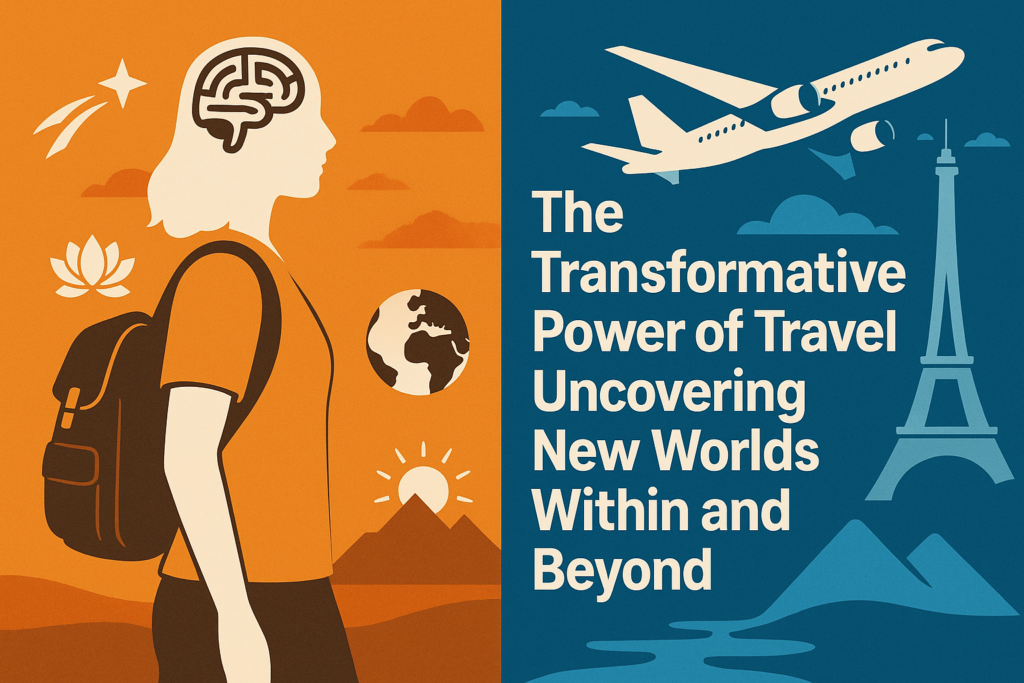
Certainly! Please provide the section or topic you would like the paragraph written about. Once you share the details or main points, I will craft a comprehensive 300-400 word paragraph for you.Stepping off the plane in a country you’ve never visited before is like tumbling headfirst into a movie you’ve only ever imagined. I remember the first time I landed in Hanoi—humid air wrapping itself around me, the mingled aroma of street food and drizzling rain competing for my attention. Motorbikes swarmed like a living tide, their horns blending into a language I didn’t understand. Neon signs blinked over alleys heavy with steam, and the chatter of vendors floated through the air, punctuated by laughter and the clang of metal pots. My senses strained to keep up: there was a tang of grilled lemongrass drifting from a corner cart, the unfamiliar texture of polka-dotted dragon fruit pressed into my palm, and everywhere the vibrant chaos of a city alive in colors I had never seen.
In these dazzling first moments, everything feels magnified. Even the most ordinary experiences—a sip of shockingly sweet coffee, a child’s wide-eyed smile, the sticky texture of the evening heat—become extraordinary. It’s as if the world throws open a secret door and invites you to peek in. The boundary between comfort and excitement blurs, leaving you both disoriented and exhilarated. Every step presents a small, thrilling challenge: deciphering a menu, learning to cross a sea of traffic, fumbling through polite greetings in a language new to your tongue. Yet these same challenges make every victory, however minor, feel like a triumph.
It’s this intense, immediate engagement with the world—the feeling of being utterly present in the swirl of sights, sounds, and scents—that draws us to travel again and again. In the face of the unknown, our senses sharpen, our curiosity awakens, and our view of the world expands. So what is it about travel that keeps us coming back for more? Perhaps it’s the promise of these moments—of touching something unfamiliar, of being changed ever so slightly by each encounter—that makes us crave the thrill of the journey, again and again.Certainly! Please provide the section or topic you would like me to expand into a full paragraph of approximately 300-400 words.From the earliest days of human civilization, an insatiable urge to venture beyond the horizon has pulsed within us. This innate curiosity—an instinct both ancient and universal—is the invisible thread linking prehistoric wanderers who traversed continents, the legendary explorers who mapped the world’s unknown corners, and today’s backpackers and digital nomads who trade the comforts of home for the thrill of the unfamiliar. Throughout history, the call to explore has echoed in countless forms: for some, it’s the pull of adventure, the desire to conquer wild frontiers or scale distant peaks; for others, it’s the need for escape, a search for new beginnings far removed from the routines and pressures of daily existence. Still others embark on journeys as a path to self-discovery, seeking clarity, purpose, or transformation along the way. For many, the ultimate reward lies in forging deep cultural connections—with people, places, and traditions that challenge assumptions and broaden worldviews.
The motivations for wandering are as varied and personal as the travelers themselves. Some set out in search of adrenaline and the thrill of the unknown, while others crave the simplicity of moving beyond their comfort zones. The journey can serve as both mirror and window: reflecting our inner landscapes while offering new perspectives on the world around us. In today’s hyper-connected era, the tools and methods may have changed—smartphones, GPS, and remote work have made it easier than ever to travel and remain plugged in—yet the age-old questions remain. What drives us to leave the familiar? What do we hope to find out there, and within ourselves?
In this exploration, we’ll delve into the psychological impact of travel, examining how stepping into the unknown sparks growth and resilience. We’ll discuss the tangible, practical benefits packing a suitcase can bring to our everyday lives, from increased adaptability to improved mental health. Through the personal stories of modern wanderers and time-tested wisdom from seasoned explorers, you’ll discover insights to inspire your own adventures. Finally, actionable tips and strategies will help turn the dream of exploration into a rewarding, real-world journey—wherever your compass points next.Certainly! Please provide the section or topic you would like me to write a full paragraph about.Traveling beyond the borders of our own communities offers us an invaluable opportunity to broaden our perspectives. When we immerse ourselves in places with languages, traditions, and day-to-day customs vastly different from our own, we are naturally prompted to reconsider many of our ingrained beliefs and assumptions. The simple act of engaging with new cultures—whether it’s trying unfamiliar foods in a bustling street market, attempting to converse in a foreign language, or observing the rhythms of daily life in a new city—expands our understanding of what it means to be human. Through these experiences, we come to realize that the world is not homogeneous; it is richly diverse, filled with people whose values, priorities, and ways of interacting can differ dramatically from those we’ve known.
A crucial part of this process is confronting and challenging our own assumptions and stereotypes. Often, before setting foot in a new place, we carry mental images—sometimes influenced by media or hearsay—about the people and cultures we are about to encounter. However, first-hand exposure can quickly dispel these preconceived notions. For instance, an individual traveling from the West to rural villages in Asia might expect to find communities caught between poverty and backwardness, only to discover instead a vibrant culture characterized by strong familial bonds, ingenuity, and warmth. Similarly, travelers from urban centers might assume that remote areas lack sophistication, yet end up amazed by the complexity of local customs, crafts, and problem-solving.
Culture shock is a common and often disorienting part of venturing into the unfamiliar. It can manifest in many ways—confusion over social etiquette, surprise at new modes of transportation, or discomfort with local food. However, over time, many travelers adapt, finding resilience and flexibility within themselves. They may learn to negotiate bargains in a street market, pick up polite greetings in a new language, or embrace different meal times and daily routines. These experiences not only build empathy and appreciation for others but also foster a deeper understanding of ourselves. Through the challenge of adaptation, we discover how our perspectives, too, are shaped by culture—and how, by remaining open, we continue to grow and connect in a diverse and interconnected world.Travel has a unique way of pushing us beyond our comfort zones, encouraging personal growth in ways that are both subtle and profound. Each trip, especially those taken solo, presents a series of challenges that require quick thinking and adaptability. From navigating unfamiliar public transit systems to overcoming language barriers, these moments demand resourcefulness and cultivate a sense of self-reliance. The act of problem-solving while on the road—whether it’s finding your way after getting lost in a foreign city or handling an unexpected change in plans—builds confidence and resilience over time.
Solo travel stories often illustrate this transformation vividly. There’s the memory of hesitating on a quiet street corner in a city where the signs meant nothing to you, only to muster the courage to ask a local for directions, using a combination of hand gestures and broken phrases. There’s the anxious excitement of boarding the wrong bus and discovering a hidden gem off the tourist trail, realizing that mistakes can lead to the most memorable experiences. These episodes force travelers to rely on their instincts and judgment, fostering self-assurance that lingers long after the journey ends.
Facing fears is an inevitable part of travel—whether it’s the apprehension of tasting unfamiliar foods, trying new activities like zip lining or scuba diving, or simply stepping into a culture utterly different from one’s own. Each step outside the comfort zone feels daunting at first, but with every new experience, boundaries expand, transforming trepidation into exhilaration. The courage earned through travel doesn’t just apply overseas; it empowers individuals to tackle challenges back home with renewed assurance.
Ultimately, the growth experienced through travel is a collection of these small victories—a patchwork of stories, mistakes, and triumphs that shape a more confident, adaptable, and resilient person. Every misstep becomes a lesson, and each unfamiliar street navigated is a testament to newfound independence. The journey is as much internal as it is external, and the rewards—self-awareness, empathy, and boldness—last far beyond any trip’s return ticket.Traveling is not just about ticking destinations off a list or capturing postcard-worthy landscapes; it’s also a powerful catalyst for connecting with people from every corner of the globe. Each journey becomes a unique opportunity to meet individuals from diverse backgrounds — from fellow travelers sharing a hostel room to locals welcoming you into their daily lives. These encounters often blossom into meaningful friendships that transcend borders and cultures, turning the world into a smaller, friendlier place. Sharing meals, navigating unfamiliar cities together, or simply exchanging stories over a cup of tea can foster bonds that last a lifetime.
Beyond friendships, travel nurtures a deep sense of empathy. Immersing yourself in cultures different from your own, experiencing local customs, and seeing the world through another’s eyes help break down stereotypes and prejudices. When you listen to someone describe the traditions they treasure, witness their challenges and joys firsthand, or celebrate a festival together, you step into their shoes. These shared experiences encourage understanding and respect for differences, reminding us that beneath our varied languages and lifestyles, we share common hopes and dreams.
Modern technology has made it easier than ever to maintain these global connections. With a few taps, you can chat, share photos, or even video call friends you met in a distant country, allowing you to continue learning from each other long after your journey ends. Social media platforms and instant messaging bridge continents and time zones, turning brief encounters on the road into lasting, supportive friendships. These connections often spark future adventures, reunions in new destinations, or collaborative projects across the globe.
In essence, the social side of travel enriches your personal network and worldview in ways few other experiences can. By forging friendships and cultivating empathy, you don’t just return home with souvenirs — you return with a deeper appreciation for humanity’s rich tapestry, an expanded perspective, and relationships that may well become some of your most cherished treasures.Immersing oneself in new environments through travel has long been recognized as a powerful catalyst for creativity and innovation. When we venture beyond familiar surroundings, our senses are heightened and our minds are exposed to novel sights, sounds, languages, and customs that challenge our usual ways of thinking. This disruption of routine stimulates cognitive flexibility, allowing fresh perspectives and unconventional ideas to emerge. New places not only inspire by their physical beauty or cultural vibrancy but also by prompting travelers to reconsider their assumptions and expand their conceptual boundaries.
Throughout history, countless artists, writers, and thinkers have drawn deeply from their travel experiences to fuel their creative processes. The French impressionist painter Claude Monet was profoundly influenced by his journeys to England and Venice, finding new approaches to color and light. Literary giant Ernest Hemingway credited his time in Paris, Spain, and Africa with shaping the themes and settings of his novels. Composer Wolfgang Amadeus Mozart was inspired by the music he encountered while traveling across Europe as a young man, which greatly enriched his own compositions. Similarly, the legendary innovators of the twentieth century, from Steve Jobs’ spiritual exploration in India to Maya Angelou’s evocative portrayals of her global experiences, remind us how travel can broaden the imagination and ignite inspiration.
These transformative encounters underscore the importance of not merely experiencing new places, but also of consciously processing and reflecting on them. Documenting experiences—whether by keeping a travel journal, sketching, photographing, or recording sounds—can help travelers capture fleeting impressions and insights that might otherwise fade with time. This act of documentation transforms raw experience into a reservoir of creative material for future projects, regardless of one’s chosen medium or field. It invites travelers to engage actively and mindfully with their surroundings, deepening the personal significance of their journeys. Ultimately, by embracing the unfamiliar and taking the time to chronicle their adventures, individuals open themselves to a world of inspiration that can enrich both their creative endeavors and their understanding of themselves and others.Traveling offers a wealth of practical benefits that extend far beyond picturesque landscapes and memorable adventures. One of the most valuable outcomes is the opportunity to learn new languages. Immersing yourself in a different culture often requires engaging with the local language, whether it’s picking up basic greetings, navigating transportation systems, or delving into more complex conversations. This not only enhances communication skills but also boosts cognitive function and broadens your cultural perspective. Additionally, travel fosters the acquisition of new skills—ranging from problem-solving and adaptability to cross-cultural communication and even culinary techniques picked up from local cooking classes or markets. Such skills are increasingly sought after by employers in today’s globalized workforce, making travel an effective way to enhance employability. Adaptability, openness to new experiences, and the confidence gained from navigating unfamiliar environments are qualities that can set candidates apart in the competitive job market.
Building a global network is another significant benefit. As you move from place to place, you meet people from various walks of life, forging friendships and professional connections that can last a lifetime. These relationships enrich your worldview and can lead to personal opportunities and collaborations across borders. Participating in local events, staying in hostels, or joining group tours are excellent ways to form these meaningful connections.
To maximize these practical benefits, it’s important to approach travel mindfully. Making sustainable choices—like supporting local businesses, minimizing plastic use, and respecting cultural and environmental norms—ensures that your travels have a positive impact. Embracing slow travel, which emphasizes spending more time in fewer places, allows for deeper immersion and learning, rather than ticking off destinations on a checklist. This approach often results in more authentic experiences and stronger ties with communities. Finally, striking a balance between careful planning and spontaneous adventure can greatly enrich your journey. Planning provides structure and ensures you make the most of your time, while leaving room for spontaneity opens doors to unexpected discoveries and unique experiences. By combining these strategies, travelers can transform each journey into an opportunity for personal growth, lifelong learning, and meaningful connections.Traveling, while exhilarating, often comes with its own set of challenges that can test even the most adventurous individuals. Homesickness is a common experience, particularly on extended journeys. Feelings of longing for familiar surroundings or loved ones can be alleviated by maintaining regular communication with friends and family, whether through video calls or messaging. Carrying small tokens or mementos from home can offer comfort, and immersing yourself in new experiences can help shift focus and ease loneliness. Culture shock, another frequent hurdle, may manifest as frustration or confusion when faced with unfamiliar customs, cuisines, or social norms. The key to overcoming this is staying open-minded and patient, taking the time to learn about the local culture and embracing differences as opportunities for personal growth.
Travel fatigue, caused by long flights, erratic schedules, or the constant change of environment, can sap your enthusiasm and energy. To combat this, it is important to plan for regular rest days and ensure your travel itinerary isn’t overcrowded. Listening to your body, staying hydrated, eating nutritious meals, and finding moments of quiet amidst the bustle can help restore your well-being and keep burnout at bay. Safety is another paramount consideration, no matter where you travel. Always do your research before visiting a new area, be aware of local laws and customs, and keep emergency contact information readily available. Carry copies of important documents, avoid displaying valuables, and trust your instincts if a situation feels off. Having a basic first-aid kit and an understanding of local emergency services can be invaluable if unexpected issues arise.
Finding a balance between travel and other life commitments, such as work, study, or family obligations, requires careful planning. Setting realistic expectations about what can be accomplished during your trip and prioritizing what matters most can help you make the most of your travels without feeling overwhelmed. Utilizing technology to work remotely or stay organized, scheduling time for both exploration and personal tasks, and knowing when to set boundaries are essential practices for maintaining equilibrium. By acknowledging and preparing for these common challenges, travelers can foster resilience, enhance their experience, and create lasting memories, even when things don’t go exactly as planned.Travel is as much about moments as it is about miles. In each journey, there is often a single encounter that lingers in memory—a fleeting connection that alters our perceptions or kindles something new within us. Consider the solitary backpacker who arrived worn and disheartened in the bustling streets of Hanoi. With little more than a map and earnest curiosity, she found herself lost among tangled alleyways. A shopkeeper, noticing her confusion, approached with a gentle smile. He spoke little English, but with gestures and warm laughter, he guided her to a tiny café, introducing her to pho seasoned with friendship. That simple act of kindness—unexpected and unearned—became the story she told for years, exemplifying the generosity that transcends culture and language.
Elsewhere, a family traveling through the mountains of Peru discovered more than sweeping vistas and ancient ruins. In a remote Andean village, they were invited to share in a community festival. Despite being outsiders, they were embraced as honored guests, helping to prepare food and joining in the circle dance under a starlit sky. Through laughter and shared music, they learned that travel isn’t only about where you go, but who you meet—and sometimes, the most profound lessons are delivered not through museums or monuments, but through human connection and mutual celebration.
These stories, while unique, are universal in spirit. Each traveler collects such moments: a lesson in patience when a delayed train leads to an unexpected friendship, or the unforgettable thrill when overcoming a fear to try something new. Whether it’s sharing tea with a Bedouin in the Jordanian desert or learning humility from a child’s shy gift in a bustling African market, these vignettes remind us that every journey has the potential to transform us.
Now, it’s your turn. Have you experienced a moment on the road that shifted your outlook or left an indelible mark on your heart? Perhaps a stranger’s kindness, a challenge overcome, or a discovery about yourself along the way. We invite you to share your own story—because the greatest inspiration often comes not from grand adventures, but from the unexpected, everyday encounters that make travel truly memorable.Certainly! Please provide the section or topic you would like me to write the paragraph about.As our journey draws to a close, it’s clear that travel reaches far beyond the boundaries of geography or even the days marked off on a calendar; it leaves lasting imprints on who we are. The life-changing impacts of travel aren’t just measured in miles, but in the moments that transform our outlooks—the glimpse of a sunrise in a distant land, the warmth of a stranger’s smile despite a language barrier, or the newfound confidence that grows from navigating unknown streets. With every experience, both big and small, travel invites us to step outside what is familiar and comfortable, offering us not only new sights and sounds, but the chance to see ourselves in a new light.
But taking a journey isn’t only about the act of crossing borders. It’s a mindset—an attitude of openness, curiosity, and willingness to learn, grow, and adapt. Every challenge encountered, from deciphering a foreign menu to finding your way in a new city, sharpens resilience and creative problem-solving. Over time, the traveler not only accumulates stamps in a passport but also collects wisdom, empathy, and a deeper appreciation for the world’s vast tapestry of cultures. In this sense, travel is just as much about internal transformation as it is about exploring new places.
Most importantly, the spirit of adventure doesn’t disappear when we return home; it can be found in our everyday lives. The ongoing journey is about maintaining that sense of curiosity—continuing to seek fresh perspectives, trying new things, and staying open to unexpected connections. Even a walk in your local neighborhood can reveal hidden stories or offer opportunities to connect with others at a deeper level.
So, as you reflect on where you’ve been and where you hope to go, remember that every step—whether it leads to distant shores or simply outside your own front door—is a vital part of your continuing adventure. The world, after all, is full of journeys both outward and inward, waiting to be embraced. The only question that remains: where will your next journey, near or far, take you?