
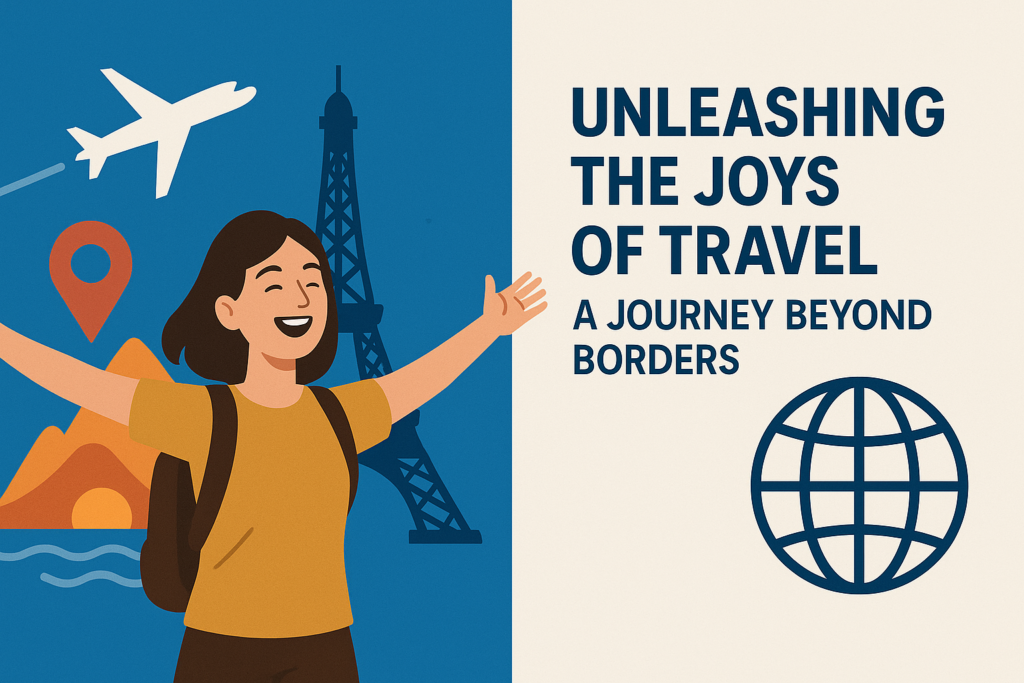
Steam hissed from a vendor’s wok, swirling through the crowded market alley as the midday sun flickered on dangling lanterns overhead. I had taken a wrong turn—or so I thought—lost among stalls bursting with riotous color and unfamiliar scents. Pausing, heart beating with a mix of anxiety and exhilaration, I met the eyes of an elderly woman behind her display of fragrant spices. She smiled, pressing a tiny sachet into my hand with a word I didn’t understand. In that fleeting exchange, worlds collided. Suddenly, I wasn’t just a foreigner in a strange place, but a participant in a centuries-old ritual, bound by curiosity and kindness. How often, really, do we find ourselves transformed in the course of a single journey?
There is a singular magic that happens in movement. Stepping off a plane into the humid midnight air of a new city, feeling the thrum of unknown streets beneath your feet, your senses awaken. The ordinary dissolves. You become hyper-aware—of laughter in a language you can’t decipher, the hum of distant music, the shifting palette of faces unspooling around you. In this space between departure and return, we become untethered from routine and expectation, free to be anyone—perhaps even more ourselves than ever before. But what is it, exactly, about travel that pulls us across continents, that urges us into discomfort and surprise?
Perhaps it’s the promise of transformation: every journey is an invitation to see, feel, and become something new. We travel for discovery, yes, but also for connection—to see ourselves reflected in the eyes of strangers, to witness beauty and resilience in unexpected places, to feel, even briefly, at home in the world’s dazzling diversity. This hunger for movement is as enduring as humanity itself, as essential as breathing. In the stories we collect, in the unknown roads we walk, travel offers us not just escape, but expansion. So let’s embark together, not just to uncover far-off lands, but to rediscover the timeless wonder—both urgent and necessary—that travel brings to our lives.Wanderlust is more than just a fleeting urge to escape daily routines or an excuse to embark on picture-perfect vacations. At its heart, travel is a journey inward and outward: a transformative process that transcends the boundaries of geography and time. True travel is about embracing new experiences, stepping into unfamiliar cultures, and allowing ourselves to grow through the diversity we encounter. When we journey beyond our comfort zones, we invite learning at every turn—whether it’s picking up a new language, adapting to different customs, or understanding alternative worldviews. Travel becomes a powerful tool for self-discovery, broadening our perspectives and teaching us about our place in an interconnected world. It is that spirit of connection—both to strangers who become friends and to worlds previously unknown—that lies at the heart of wanderlust.
Today, the landscape of travel is evolving at a rapid pace. The rise of digital nomads has redefined the idea of where and how we work and live, untethering people from fixed locations and ushering in a lifestyle where the journey itself becomes a part of everyday existence. Parallelly, there is growing emphasis on sustainable tourism—a shift toward more mindful, responsible travel that respects local cultures, ecosystems, and economies. Modern travelers are increasingly aware of their impact, seeking journeys that leave a positive mark and foster genuine exchanges rather than mere consumption of destinations.
Understanding the true value of travel has never been more important. In an era marked by rapid global change, cultural division, and environmental concern, travel offers us a unique opportunity: it fosters empathy, challenges prejudices, and equips us to navigate an interconnected world with greater compassion and wisdom. When we grasp that travel is about meaningful transformation—rather than just recreation—we begin to appreciate its power to shape not only individual lives, but also communities and the global society. Travel, then, is not a luxury, but an essential pathway to building understanding and forging connection in a complex and ever-shifting world.Travel is an experience as varied as the people who embark upon it, shaped by a diverse array of styles and motivations. For some, the allure of travel lies in the rugged authenticity of backpacking—navigating bustling markets, meeting locals in hostel common rooms, and living out of a single, well-worn bag. Backpackers often seek immersion rather than comfort, focusing on stretching resources, spontaneous adventures, and forging connections that transcend language and culture. On the opposite end of the spectrum, luxury travel calls to those who desire relaxation and rejuvenation in refined surroundings. Opulent resorts, private villas, first-class flights, and curated culinary experiences offer a seamless retreat from daily life, allowing travelers to unwind and indulge in exceptional comfort.
Between these extremes exists a vast middle ground, accommodating a myriad of interests and passions. Volunteering abroad is a powerful avenue for those drawn to giving back and making a difference. Whether teaching in rural schools, participating in conservation projects, or supporting local initiatives, volunteer travelers seek a deeper engagement with communities and environments, hoping to create meaningful change while gaining unique insights into different ways of life. Adventure travel attracts those hungry for adrenaline and novelty—climbing remote mountains, diving in pristine reefs, or exploring dense jungles. For these travelers, the journey is about testing limits and embracing uncertainty, experiencing the world’s wild beauty while pushing personal boundaries.
Underlying these varied approaches are the personal motivations that drive travelers to explore in the first place. Many are drawn to the rich tapestry of culture and history that envelops each destination—standing in the shadow of ancient ruins, wandering through vibrant neighborhoods, or absorbing the stories held within museums and monuments. Others set out on a quest for culinary discovery, eager to taste the unfamiliar and indulge in local specialties. For still others, travel is an escape, a deliberate act of self-care and relaxation meant to restore balance and perspective. Some seek personal growth, using travel as a catalyst for introspection, transformation, and a deeper understanding of themselves. No matter the style or reason, each journey becomes a unique map—not just of the world, but of the traveler’s evolving self.Travel, in its purest essence, acts as a powerful catalyst for personal growth, offering experiences and challenges that push individuals far beyond their familiar boundaries. Stepping outside one’s comfort zone, whether by navigating unfamiliar cities, tasting exotic cuisines, or learning the basics of a foreign language, demands openness and courage. In these novel situations, travelers are often compelled to confront their assumptions, discover hidden strengths, and adapt to new realities. This process of stretching oneself fosters not only flexibility but also a profound sense of self-confidence.
Every journey, no matter how long or short, brings with it invaluable lessons in adaptability. When plans fall apart—missed trains, language barriers, or unexpected weather—travelers must think on their feet, quickly adjust expectations, and often find creative solutions to unforeseen problems. Such moments may be discomforting initially, but they serve as training grounds for resilience. Overcoming challenges abroad can leave a lasting imprint, teaching individuals to cope with adversity and uncertainty back home.
Moreover, travel provides unique opportunities to develop empathy. When immersed in different cultures, people encounter ways of living and thinking that may contrast sharply with their own. Engaging with local communities, witnessing their struggles and joys, and sharing in their traditions often leads to a deeper understanding of both differences and universal human connections. These experiences break down preconceptions and foster compassion, allowing travelers to see the world—and themselves—through fresh eyes.
Countless stories attest to the transformative power of travel. A shy student studying abroad may blossom into a confident communicator after months of navigating daily life in another language. An executive burned out by stress might rediscover purpose and inspiration after trekking through remote mountains and connecting with locals. Solo travelers frequently report heightened self-awareness, a clearer sense of values, and a rejuvenated spirit upon returning home. Through continuous adaptation, building empathy, and overcoming obstacles, travel leaves behind more than just memories—it shapes individuals into more resilient, thoughtful, and open-minded versions of themselves.Travel serves as one of the most powerful tools for bridging cultures and nurturing genuine understanding between people from different backgrounds. By stepping into environments unfamiliar to us—whether that’s wandering through the buzzing markets of Marrakech, attending a tea ceremony in Kyoto, or sharing a meal in a small village in Peru—we open ourselves to the perspectives, values, and customs of those whose lives may be vastly different from our own. This immersion goes far beyond what we can learn from a textbook or a documentary. It’s in the personal interactions and shared experiences that biases dissolve and misconceptions are challenged. When we witness firsthand how families in another country celebrate holidays, prepare their favorite dishes, or communicate affection and respect, we begin to appreciate the rich tapestry of traditions that make up our world.
Cross-cultural encounters often dismantle stereotypes and foster empathy. For example, someone who has only read about the Middle East might carry preconceived notions shaped by media portrayals. But, upon visiting Jordan and being welcomed to a family’s home for a meal, they’re likely to witness extraordinary hospitality and kindness that defy any negative stereotype. Similarly, students participating in exchange programs—such as an American teen spending a year in South Korea—frequently return home with lifelong friendships, a deeper awareness of global issues, and an enduring respect for another culture’s values and ways of life.
These powerful, real-life exchanges create bonds that transcend language or geography. A visitor to Ghana might help a local group with a community project and, in turn, learn local dance traditions from new friends. Volunteers teaching English in Thailand often become part of the neighborhoods they serve, exchanging stories, learning local customs, and building bridges of trust. Such connections foster mutual understanding and encourage us to question our assumptions, ultimately nurturing a more inclusive worldview.
Over time, this web of personal stories shared across borders helps humanity to recognize the beauty in our differences and the common values we all share. Travel, therefore, isn’t merely about seeing new places; it’s about forging meaningful relationships that dissolve the barriers of misunderstanding and lay the groundwork for a more empathetic, interconnected world.Setting out to explore new destinations can be exhilarating, but it also comes with its fair share of practical hurdles. Thoughtful planning and budgeting are the foundations of a smooth journey—whether you’re backpacking across Europe, embarking on a solo road trip, or traveling as a family to far-flung destinations. Start by outlining your non-negotiables: What experiences are you seeking, and what is your maximum feasible budget? For flights and accommodation, compare rates across multiple platforms and consider off-season travel to maximize your savings. Allocate a realistic daily allowance for food, activities, and unexpected expenses, and keep a contingency fund for emergencies. It’s also wise to research local transportation options beforehand—knowing when to use taxis, public transit, or rental services can help streamline your movements and save both time and money.
Beyond logistics, one of the most common challenges travelers encounter is overcoming language barriers. Even in today’s globally connected world, not every destination will cater to English speakers. Downloading translation apps, carrying a small phrasebook, or learning a handful of key phrases can go a long way in building rapport and navigating everyday situations, like ordering meals or asking for directions. Patience and politeness are your greatest tools during these interactions, and locals often appreciate even a modest attempt to communicate in their own language.
Homesickness and culture shock can also be significant hurdles, especially for long-term travelers or first-time adventurers. Staying connected with loved ones through regular video calls, journaling about your experiences, or participating in local group activities can help combat feelings of isolation. Embrace moments of discomfort as opportunities for growth, allowing yourself to adapt and find familiarity in new routines. Lastly, always remain flexible—unexpected delays, changes in plans, or minor setbacks are inevitable aspects of travel. Approach these moments with an open mind and a willingness to adjust, and they’ll often transform into your most memorable travel stories. By preparing thoughtfully and keeping a positive, resourceful mindset, you’ll be well-equipped to navigate both the practicalities and pitfalls of exploring new frontiers.Travel, once regarded primarily as a leisure or business venture, has rapidly transformed under the growing awareness of its environmental and ethical implications. As global tourism numbers surge, travelers are increasingly recognizing their responsibility to minimize their ecological footprint and make positive contributions to the places they visit. This shift has prompted a widespread movement toward responsible travel, where consideration for the planet and its inhabitants takes center stage. Conscious globetrotters are now opting for choices that reduce carbon emissions—such as using public transport, choosing eco-friendly accommodations, and favoring direct flights or even alternative modes of travel like trains whenever possible. An essential part of traveling responsibly also means being keenly aware of one’s impact on local communities. Rather than funneling resources into large multinational chains, travelers are supporting small local businesses, artisans, and guides, thereby ensuring that tourism revenue stays within the community and directly benefits those who need it most.
Furthermore, there is an increasing trend toward minimizing negative impacts on fragile ecosystems and respecting the cultural integrity of destinations. This involves not only treading lightly in sensitive environments—by adhering to guidelines, avoiding single-use plastics, and participating in conservation activities—but also valuing and respecting local customs, traditions, and sacred sites. In tandem with these practices, travelers are embracing the philosophy of slow travel, which prioritizes deeper connections over superficial sightseeing. Slow travel encourages visitors to spend more time in a single destination, fostering authentic relationships with locals and fully immersing themselves in the day-to-day rhythms of the community. This approach not only reduces the strain on resources caused by rapid turnover of tourists but also enriches the travel experience in immeasurable ways.
Off-the-beaten-track destinations are also gaining popularity as savvy travelers seek out lesser-known locales that offer raw beauty, unique cultural interactions, and a reprieve from the crowds that often overwhelm popular spots. By exploring underrepresented areas mindfully and sustainably, tourists can help spread the economic benefits of travel more equitably while avoiding the pitfalls of over-tourism. Altogether, the evolving landscape of travel champions a model where every journey is an opportunity to do good—protecting the environment, uplifting communities, and fostering meaningful cross-cultural understanding.Technology has dramatically reshaped the way we plan, experience, and remember our travels. In today’s digital age, a smartphone serves as a personal travel agent, navigation tool, translator, and photo album all in one. Apps offering maps, real-time public transport information, restaurant recommendations, language assistance, and even currency conversion have made exploring new destinations more accessible and less intimidating, especially for solo travelers or first-time visitors. Booking flights, accommodations, and tours can be accomplished in minutes, often with just a few taps, removing many of the old barriers to spontaneous adventure.
Virtual experiences and augmented reality have opened doors to destinations before we even set foot on new soil. Museums offer online tours, historical sites can be explored through VR headsets, and platforms like Google Earth let us preview the world’s wonders from our living rooms. These innovations not only inform and inspire trip planning but also enhance accessibility for individuals unable to travel physically. Social media has become another powerful influence, shaping both our travel aspirations and itineraries. Platforms like Instagram, TikTok, and YouTube showcase hidden gems and trending spots, generating viral travel trends and helping travelers curate unique experiences based on user-generated tips and stunning visuals.
However, the ever-present nature of technology during travel brings its own set of challenges. It’s easy to become so absorbed in documenting every moment, searching for the best photo angle, or constantly checking directions that we lose touch with the essence of the places we visit. While online reviews and digital guides can enhance our understanding, they can sometimes detract from serendipitous discovery and authentic connection with local culture. Striking a balance is key: using technology as a tool to enrich travel—navigating efficiently, translating signage, or connecting with locals online—while also remembering to look up from our screens, savor the spontaneity of unplanned moments, and engage fully with our surroundings. By consciously choosing when to leverage technology and when to unplug, travelers can enjoy the best of both worlds, making the most of digital resources without sacrificing the genuine, immediate joys of being present.Travel is more than just a temporary escape from the routines of everyday life; its influence often reaches far beyond the duration of a trip, leaving a lasting imprint on the traveler’s outlook and personal growth. The memories formed in unfamiliar places—whether it’s the exhilaration of navigating a bustling city for the first time, the quiet awe of standing before breathtaking natural wonders, or the warmth of shared laughter with locals over a meal—can remain vivid and meaningful for years. These experiences don’t merely sit idly in photo albums or digital archives; they become active reference points, shaping the way individuals perceive the world and respond to new challenges. The lessons learned on the road—such as resilience in the face of the unexpected, patience with different cultures, or flexibility when plans go awry—are skills that translate seamlessly into daily routines.
Over time, travelers often find themselves borrowing from their journeys to enrich their everyday existence. Perhaps it’s the mindful savoring of a morning coffee, reminiscent of a leisurely café experience in a foreign country, or a willingness to try new foods, driven by the adventurous spirit fostered abroad. Cultural sensitivity and empathy, developed through encounters with people of diverse backgrounds, become ingrained traits, affecting how travelers relate to colleagues, neighbors, and friends. Even small rituals inspired by travel—pausing to appreciate a sunrise, keeping a travel journal, or incorporating international recipes into weekly meals—can serve as gentle reminders of the broader world and the wealth of experiences it offers.
The lifelong impact of travel is also evident in an expanded mindset. Exposure to new ideas, languages, and customs can break down prejudices and encourage curiosity and open-mindedness. Travelers may approach problems from different angles, drawing on creative solutions they observed or adopted elsewhere. Above all, integrating travel perspectives encourages a sense of ongoing exploration, even at home, inspiring individuals to seek novelty, foster connections, and remain receptive to growth. Ultimately, the lessons and memories gained from travel are not fleeting—they become woven into the fabric of daily life, guiding decisions, shaping values, and fueling a continuous journey of discovery.As we reach the end of this journey together, it’s worth pausing to reflect on the transformative power and lasting value that travel brings to our lives. Travel is so much more than merely visiting new destinations or posting snapshots on social media—it’s a profound opportunity to broaden your perspective, challenge your assumptions, and grow as an individual. Each journey taken, whether across continents or just outside your doorstep, opens doors to fresh experiences, cultural understanding, and personal transformation. From the vibrant chaos of a foreign marketplace to the quiet majesty of a sunset in your own backyard, every adventure has the potential to shape your worldview and leave you changed for the better.
But travel’s true magic lies not just in the places you visit, but in how you approach them. This isn’t about ticking off landmarks from a list—it’s about journeying with intention and curiosity, actively seeking out new connections and immersing yourself in the unfamiliar. Maybe that means striking up a conversation with a local in a small café, wandering down side streets away from the tourist trail, or embracing traditions far different from your own. Even close to home, travel can be a daily act of discovery, helping you see the familiar with new eyes and reminding you that adventure is all around if you’re willing to look for it.
So, here’s your invitation: step beyond your comfort zone. Push past hesitation and routine. Let exploration—both big and small—become a vital part of your life. The world is unimaginably vast, filled with stories waiting to be heard, landscapes begging to be explored, and lessons lying in wait for those bold enough to seek them. Dare to reach, to wander, and to let each experience shape you in ways you never expected. Your journey truly awaits—not just the destinations on a map, but the journey toward becoming a fuller, more open-hearted version of yourself. Seize the opportunity, because the world is waiting for you. Let travel be your guide, your teacher, and your inspiration.