
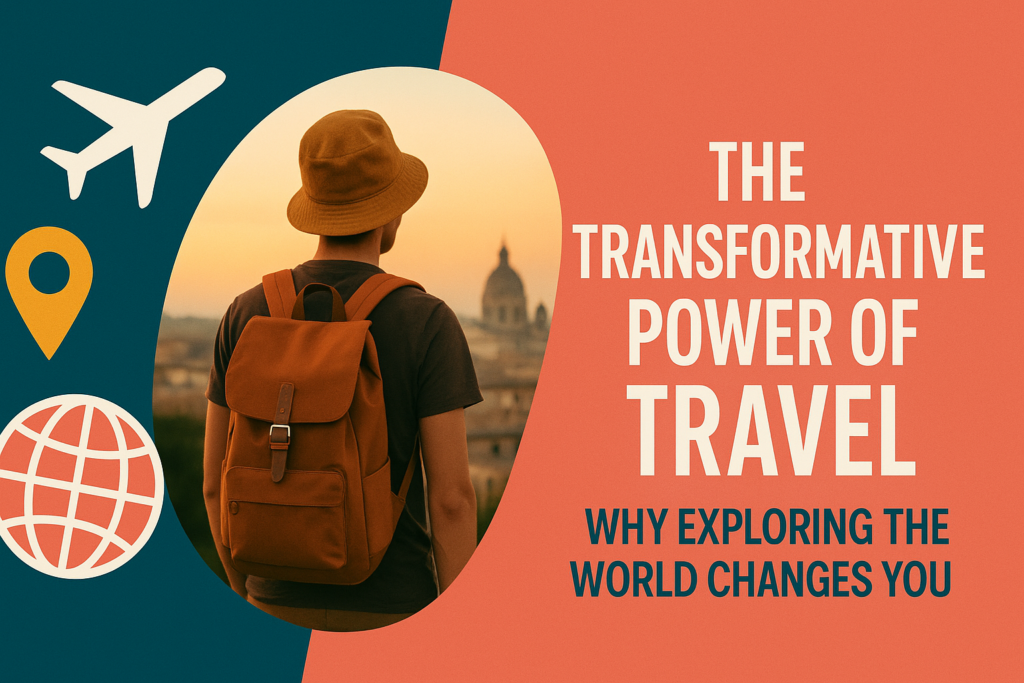
Imagine stepping off a crowded train as the city wakes beneath a honeyed sunrise. The air vibrates with possibility—honking taxis, the hum of a thousand conversations in languages you’ve never heard, the aroma of street food wafting from nearby stalls. Your heart beats in sync with the rhythm of a place you’ve only glimpsed in books or on glowing screens, yet here you are: a stranger standing at the threshold of discovery. Or perhaps you find yourself far from urban commotion, standing atop a windswept ridge, gazing across a tapestry of emerald forests and blue-shadowed peaks. In that hush, the only sound is the distant call of a hawk, and the only certainty is that the world is far vaster and more mysterious than you had ever believed.
Have you ever wondered what it truly feels like to step beyond the edge of your comfort zone, to trade familiar routines for the exhilarating unknown? What would it mean to leave the map behind, to lose yourself in back alleyways or along unfamiliar trails, and in the process, find a new version of who you are? Beneath all our routines, is there an innate longing to explore—to wander, to get lost, to belong nowhere and everywhere, even just for a moment?
Statistically, you’re not alone. According to a recent survey, over 76% of people worldwide report that experiencing new cultures or visiting unfamiliar places is one of their greatest aspirations. Maybe it’s the thrill of encountering something different, the gentle push against boundaries we’ve unwittingly set for ourselves, or perhaps a desire to collect stories and sensations that no photograph or souvenir can truly capture. I once met a traveler who’d started with a single suitcase and a one-way ticket. She confessed that each step away from routine brought a new shade of confidence and wonder—proof that the world had so much more to offer than she might have imagined from afar.
This is the spark of wanderlust—a deep, universal urge to explore, to challenge, to connect. Whether it unfolds on city sidewalks or remote trails, it’s the invitation that beckons us to see not only new places, but new aspects of ourselves. Where will it lead you next?From the earliest days of human civilization, our ancestors gazed across uncharted horizons, driven by an insatiable curiosity to explore the unknown. This innate wanderlust—etched into our DNA—fueled grand journeys that led to the discovery of new continents, the mapping of distant seas, and the enrichment of entire cultures. While the means and methods of travel have evolved, the core impulse remains unchanged. Today, amidst the realities of modern life, we still crave adventure, often as a way to break free from the cycles of routine that can stifle creativity and dim our sense of wonder. For many, travel is an escape—a brief but vital departure from everyday responsibilities, offering a reset for the mind and spirit.
Yet, the motivations behind travel have broadened and deepened beyond mere escape or recreation. In an increasingly interconnected world, people are drawn to journeys that promise personal growth, inspiration, and genuine cultural exchange. Travelers seek not only new landscapes but also new perspectives—eager to immerse themselves in different traditions, cuisines, and ways of life. The definition of adventure has shifted, moving away from mere thrill-seeking toward more meaningful, sustaining experiences.
This evolution is reflected in new travel trends. Slow travel champions the idea of truly absorbing the rhythm of a place—savoring its subtleties rather than merely ticking off tourist landmarks. Solo journeys, once considered bold or even risky, have gained popularity as a path to self-discovery and empowerment. Simultaneously, the rise of responsible tourism highlights our collective responsibility to preserve the natural and cultural spaces we explore, fostering an ethos of respect and sustainability.
At the heart of it all lies a simple but profound truth: travel changes us in ways we might never anticipate. The memories we create, the challenges we face, and the connections we forge on the road shape who we become. Each journey, no matter how near or far, leaves a mark that often reveals itself long after we’ve returned home. As we explore the world, we’re just as often discovering uncharted territory within ourselves.Travel is a tapestry woven with countless threads, each representing a unique dimension of the human experience. At its core, travel is often associated with physical movement—stepping out of the familiar and venturing into the unknown. Whether it’s the exhilaration of traversing bustling city streets, the awe of standing before natural wonders, or the serenity found in remote landscapes, every journey offers new perspectives on the world. But the significance of travel goes far deeper than changing locations. Cultural immersion is one of the richest dimensions, allowing travelers to engage with customs, languages, and everyday routines that broaden understanding and dissolve preconceptions. Tasting unfamiliar flavors, participating in local festivals, and engaging in heartfelt conversations can foster empathy and ignite curiosity about global diversity.
Travel also holds profound personal implications. For some, it’s a quest for self-discovery, providing the space and context to reflect, adapt, and grow. Overcoming unexpected challenges—missed trains, language barriers, or cultural misunderstandings—can build resilience and confidence. Moreover, travel often acts as a reset, granting respite from the demands of daily life and offering fresh inspiration. Creative sparks might fly in museums, wild coastlines, or even in the hum of a night market, infusing travelers with renewed motivation for their pursuits at home.
Another vital dimension is the social aspect. Shared adventures, whether with friends, family, or newly met fellow travelers, create memories that bind people together. The laughter over a misconnection, the awe shared at a sunset, or the kindness of strangers can lead to deep connections—sometimes lasting a lifetime. Conversely, solo travel offers a space for introspection and independence, as individuals navigate foreign terrains and find comfort in their own company.
Finally, contemporary travel prompts us to consider our impact on the places we visit. A growing consciousness around sustainability is shaping how we travel—favoring experiences that respect local communities, support conservation, and tread lightly on the planet. In this way, travel becomes not just a journey of exploration, but one of responsibility, prompting us to serve as thoughtful stewards of both culture and nature wherever we wander.Venturing into unfamiliar territories, whether through solo travel or settling in a new country, is a profound journey of self-discovery and personal growth. Navigating new environments demands stepping outside comfort zones, which inherently builds confidence and strengthens problem-solving abilities. Simple everyday tasks—finding your way on public transportation, ordering a meal in a language you barely know, or setting up a bank account in a foreign system—become milestones that reinforce your resourcefulness. Each successfully managed challenge chips away at self-doubt and fosters a resilient mindset, equipping you to approach future obstacles with greater assurance.
Real-life stories from solo travelers and expatriates consistently highlight transformative experiences. Many recount feeling a wave of uncertainty upon arrival, only to gradually recognize a burgeoning sense of independence. For instance, a young woman relocating to Japan without knowing the language initially struggled to navigate daily life. Over time, however, she developed strategies to communicate, adapted to the cultural norms, and ultimately thrived in her environment, discovering strengths she never realized she possessed. Likewise, solo travelers often describe how journeying alone, making spontaneous decisions, and confronting unexpected setbacks cultivated patience, open-mindedness, and a genuine trust in their own judgment.
Adapting to different routines, cuisines, and languages further deepens this process of personal evolution. Trying diverse foods challenges long-held preferences, encouraging an embrace of new tastes and customs. Adjusting to unfamiliar daily rhythms—perhaps siesta hours in Spain or early morning markets in Vietnam—requires flexibility and a willingness to let go of ingrained habits. Language barriers, too, push travelers and expatriates to learn innovative ways to connect, whether through gestures, new vocabulary, or improved listening skills. Each of these adaptations not only broadens practical competencies but also fosters empathy and a deeper appreciation for cultural diversity. Ultimately, the experience of immersing oneself in a new environment acts as a catalyst for significant growth, leaving individuals with a heightened sense of self-awareness and a broader worldview that endures long after the journey ends.Engaging with cultures different from our own holds transformative potential, inviting us to move beyond the familiar and expand both our perspectives and boundaries. Cultural exchange is far more than a simple transaction of customs or traditions; it challenges deeply rooted assumptions and encourages open-mindedness. When individuals relinquish the comfortable confines of their worldview and immerse themselves in new environments, they are often confronted with realities that differ from what they may have anticipated. This exposure disrupts stereotypes and nurtures a greater appreciation for diversity, revealing how people everywhere share universal hopes, concerns, and joys.
Firsthand experiences, in particular, are powerful catalysts for empathy and global citizenship. Reading about the daily life of a rural community or watching documentaries about distant places offers only a filtered glimpse. In contrast, volunteering abroad, participating in homestays, or engaging in community-based tourism enables genuine interactions and meaningful connections with locals. Living with a host family, for instance, means navigating shared routines, participating in familial traditions, and partaking in local celebrations. These interactions foster a nuanced understanding that transcends surface-level observations, allowing travelers to witness the resilience, humor, and resourcefulness present in everyday life globally.
Practical examples abound. A student volunteering in a rural health clinic in Latin America might discover the ingenuity of communities facing limited resources and the shared humanity underlying healthcare challenges. Someone taking part in community-based tourism in Southeast Asia could find that economic empowerment initiatives benefit both hosts and visitors, fostering mutual respect and dignity. In a homestay in Morocco, a traveler learns not just about the spices in a tagine, but about hospitality, family bonds, and what daily life truly entails for their hosts. Through these immersive encounters, boundaries of misunderstanding begin to fade and new, inclusive perspectives take root. Participants are often inspired to become advocates for cross-cultural dialogue, understanding that their lives are enriched not by comfort zones, but by the courage to break barriers and build genuine relationships worldwide.Travel isn’t just an escape from the daily grind; it comes with a host of health benefits that can have a lasting impact on both body and mind. Physically, hitting the road often means embracing a more active lifestyle. Whether you’re wandering through cobblestone streets, hiking in national parks, cycling along scenic trails, or simply exploring local markets on foot, travel naturally incorporates increased movement compared to a sedentary office routine. This physical activity can help to improve cardiovascular health, boost energy levels, and even support better sleep. In addition, spending time outdoors while traveling—whether it’s breathing in fresh mountain air, swimming in the sea, or just enjoying the greenery of a new city—has been linked to lowered blood pressure and a strengthened immune system.
The benefits of traveling extend well beyond the physical. From a mental health perspective, a change of scenery can be a powerful antidote to everyday stress and burnout. Engaging in new activities and navigating unfamiliar environments challenges the brain, promotes cognitive flexibility, and can spark a sense of adventure that recharges your emotional batteries. The psychological effects of travel are well-supported by research; a study published in the journal “Stress & Health” found that taking a vacation can lead to significant reductions in perceived stress and improvements in overall well-being, benefits that can persist well after returning home. Breaking from routine allows us to mentally reset, letting go of anxieties and creating space for reflection and creativity. Many report that being away from work responsibilities, even for a few days, gives them a fresh perspective and renewed inspiration.
Moreover, the social and cultural interactions that come with travel can further boost happiness and satisfaction. Meeting new people, trying different foods, and learning about unfamiliar customs not only broadens horizons but also fosters a sense of connection—both with others and with oneself. Several studies, including research from Cornell University, have shown that investing in experiences, such as travel, generates more enduring happiness than spending money on material possessions. Ultimately, hitting the road offers a unique blend of physical, mental, and emotional benefits, making it a holistic approach to personal wellness.Travel isn’t just about snapping photos in front of famous landmarks or ticking bucket-list destinations off a map; it’s about the moments shared and the lifelong connections forged along the way. One of the most profound aspects of exploring the world is the camaraderie that naturally develops with fellow travelers and locals alike. Whether it’s a spontaneous road trip through the countryside with strangers who became close friends, or an evening spent swapping stories in a bustling hostel kitchen, these shared experiences transform brief encounters into treasured relationships. Friendships sparked over campfires or on crowded trains often endure long after the passport stamps have faded, enriching our lives with diverse perspectives and heartfelt memories.
In today’s era of digital nomadism, the web of connections stretches even further. With remote work and flexible schedules, it’s easier than ever to build and sustain a global network. Coworking spaces in Bali, coffee shops in Lisbon, and local community events in Mexico City become fertile ground for meeting like-minded adventurers and professionals. The friendships formed on the road can open doors to new cultures, collaborations, and even career opportunities, weaving together a tapestry of connections that might never have materialized in one’s hometown.
Capturing and cherishing these priceless memories ensures that the magic of travel lives on long after the journey ends. Journaling is a timeless method: jotting down daily reflections, amusing anecdotes, and details that might otherwise be forgotten helps crystallize experiences in your mind. Photography elevates simple moments into evocative souvenirs—don’t just focus on grand vistas, but also snap candid shots of companions, local markets, and street scenes. Blogging or vlogging can serve as both creative outlets and practical travel logs, allowing you to revisit your adventures while also sharing them with friends, family, or a wider audience. Ultimately, it’s these collective memories and genuine connections that transform travel from a series of destinations into a deeply rewarding, lifelong journey.Travel is an incredible way to broaden one’s perspective, but it can also carry unforeseen impacts on the environment, wildlife, and local communities. As global tourism continues to rise, so does the importance of adopting responsible and sustainable travel habits. Tourism often places strain on destinations, resulting in issues such as overtourism, habitat destruction, increased waste, and the displacement of local populations. Additionally, the carbon footprint from flights and excessive resource consumption can further contribute to climate change and environmental degradation. Ethical questions also arise when considering the effects on indigenous cultures, exploitation in wildlife tourism, and the potential harm caused by well-intentioned but poorly structured volunteer programs.
Travelers wishing to minimize their footprint and support positive change can take several actionable steps. Supporting local businesses—such as family-run guesthouses, local guides, and independent restaurants—ensures that tourism dollars benefit the community directly. Choosing eco-friendly accommodations and tour operators who prioritize sustainability, use renewable energy, and actively reduce waste can make a significant difference. Respecting wildlife is crucial: avoid posing for photos with captive animals or supporting attractions that prioritize entertainment over animal welfare. Instead, seek out reputable wildlife sanctuaries or nature experiences that contribute to conservation efforts. In terms of volunteering, research is essential; opt for projects that are led by local communities, have clear objectives, and demonstrate tangible, long-term benefits. Engage in respectful cultural exchanges—learn about customs, ask permission before taking photographs, and buy locally made souvenirs rather than mass-produced imports.
There are many resources available for those who want to travel more responsibly. Organizations like The International Ecotourism Society and Responsible Travel provide thorough guidance on finding ethical tours and accommodations. Online platforms such as B Corp and WWF’s Travel Guide offer information on vetted sustainable businesses and wildlife-friendly destinations. Apps like HappyCow make it easier to locate vegetarian and eco-conscious restaurants worldwide, while initiatives like Pack for a Purpose provide guidelines on bringing useful donations to communities in need. By making informed choices, travelers can ensure their journeys uplift local environments and cultures, fostering richer, more meaningful experiences for both themselves and the places they visit.Travel, in its countless forms, carries the extraordinary power to transform not only individual lives but the world at large. Every journey, from the farthest explorations to weekend getaways close to home, exposes us to new perspectives, cultures, and ideas. These experiences challenge our assumptions, expand our understanding, and foster greater empathy for others. Through travel, we learn to navigate unfamiliar landscapes, adapt to unexpected situations, and appreciate both the differences and the common threads that connect us as humans. Each step we take outside our comfort zones—forging connections with people, tasting new cuisines, or simply observing daily life in other places—enriches our own story.
On a broader scale, travel plays a crucial role in building bridges between communities and nations. It encourages cultural exchange, supports local economies, and nurtures respect for the natural environment. As we witness the wonders of the world firsthand, from ancient ruins to vibrant city streets and breathtaking natural wonders, we become more mindful of our impact and more motivated to protect what makes our planet unique. Ultimately, travel reminds us that the world is both vast and intimately interconnected.
Whether you yearn for far-flung adventures or prefer to explore hidden gems in your own backyard, the essence of travel lies in curiosity and openness. You don’t have to traverse continents to embark on a meaningful journey; sometimes the most profound discoveries await just around the corner. So, embrace the spirit of adventure—let each voyage, no matter the distance, be an opportunity to learn, grow, and connect.
The world is waiting with endless stories and lessons to offer. Don’t let fear or routine keep you from experiencing its richness. Pack your sense of wonder and step outside your door with an open heart. The journey is yours to shape, and the possibilities are limitless. Where will your journey take you next?